
What does ferulic acid do on skin?
This question is increasingly asked by dermatologists, formulators, and skincares-conscious consumers in Europe and North America—and for good reason.
From a cosmetic raw material manufacturer’s perspective, ferulic acid is one of the most scientifically validated antioxidant ingredients used in modern skincare. It not only protects the skin from environmental damage, but also enhances the performance of other active ingredients, especially vitamin C and vitamin E.
This article explains how ferulic acid works on the skin, supported by real laboratory data and peer-reviewed research, so users can make informed decisions.
What Is Ferulic Acid in Skincare?

Ferulic acid is a plant-derived phenolic antioxidant naturally found in:
- Rice bran
- Wheat
- Oats
- Coffee beans
- Angelica sinensis
In cosmetic formulations, it is used in high-purity cosmetic grade (natural or synthetic) to ensure stability, safety, and consistent performance.
From a formulation standpoint, ferulic acid is valued because:
- It works effectively at low concentrations (0.3–1.0%)
- It remains stable in acidic systems
- It protects both the skin and the formulation itself
What Does Ferulic Acid Do on Skin? Core Skin Benefits
1. Neutralizes Free Radicals and Slows Skin Aging
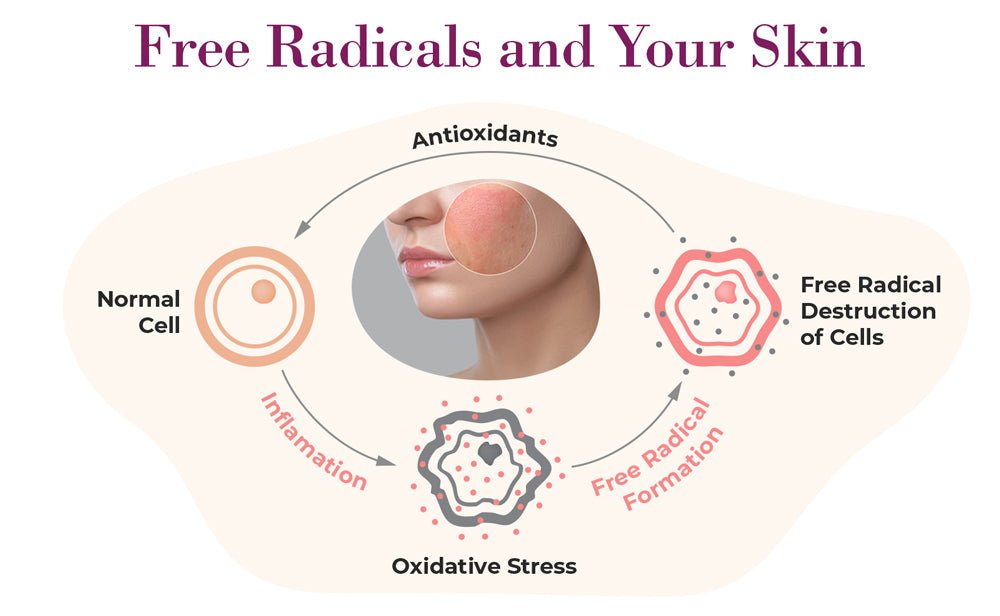

Daily exposure to UV radiation, pollution, and blue light generates free radicals in the skin. These unstable molecules damage:
- Collagen
- Elastin
- Skin lipids
- DNA
This process accelerates wrinkles, sagging, and dullness.
Ferulic acid works by donating electrons to neutralize free radicals, preventing oxidative chain reactions.
📌 Scientific evidence
A study published in the Journal of Investigative Dermatology confirmed that ferulic acid significantly reduces UV-induced oxidative damage and lipid peroxidation in skin cells.
In simple terms:
👉 Ferulic acid helps protect the skin from premature aging caused by environmental stress.
2. Boosts and Stabilizes Vitamin C and Vitamin E

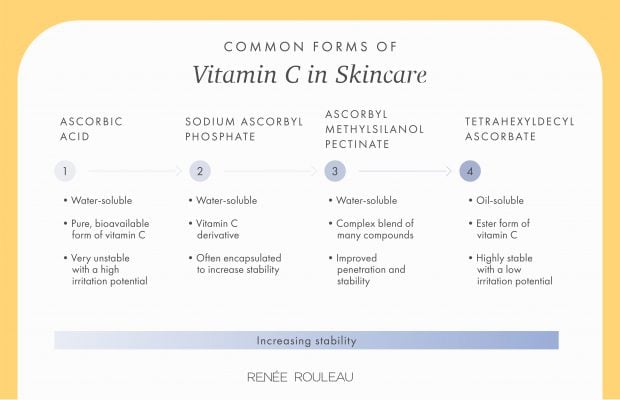
One of the most important answers to what does ferulic acid do on skin lies in its synergistic behavior.
Vitamin C (L-ascorbic acid) is highly effective—but extremely unstable. Ferulic acid:
- Stabilizes vitamin C and vitamin E
- Prevents oxidation
- Increases overall antioxidant strength
Clinical data
Research from Duke University showed that a formula containing:
- 15% vitamin C
- 1% vitamin E
- 0.5% ferulic acid
Provided up to 8 times greater photoprotection than vitamin C alone.
This is why many dermatologist-recommended antioxidant serums use this exact combination.
3. Helps Improve Uneven Skin Tone and Hyperpigmentation
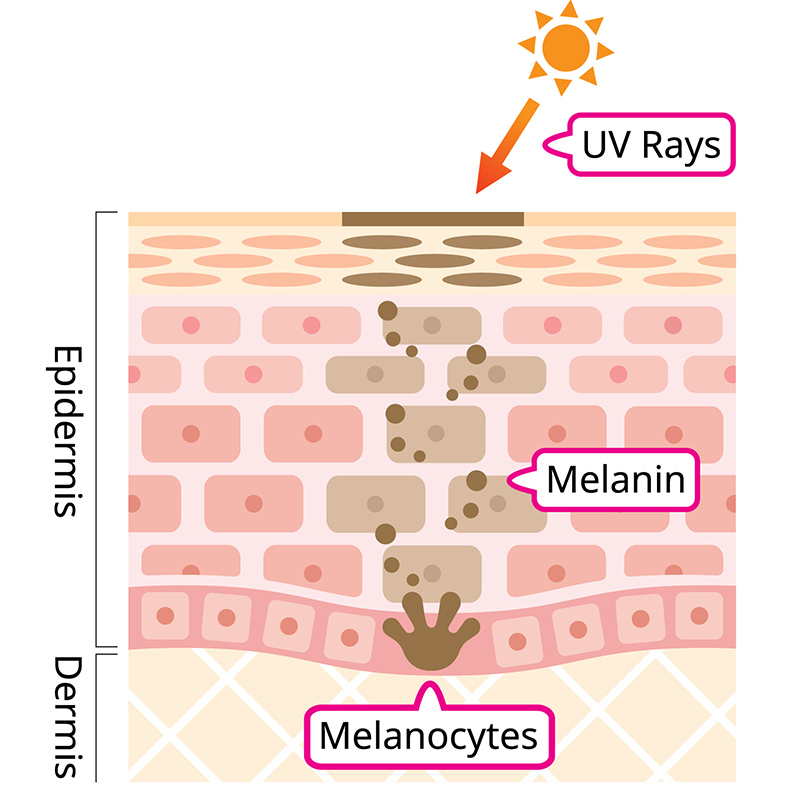
Ferulic acid also supports skin brightening by:
- Inhibiting tyrosinase activity
- Reducing UV-induced melanin production
- Calming inflammation that leads to post-inflammatory hyperpigmentation (PIH)
Research support
A study in the International Journal of Cosmetic Science showed that topical ferulic acid significantly improved skin tone uniformity after 8 weeks of use.
This makes ferulic acid especially useful for users concerned with dullness and sun spots.
How Ferulic Acid Is Used in Cosmetic Formulations
From a manufacturing and formulation perspective, ferulic acid is commonly used in:
| Product Type | Typical Use Level | Main Function |
|---|---|---|
| Antioxidant serums | 0.3–1.0% | Anti-aging, photoprotection |
| Vitamin C serums | 0.5% | Stability enhancement |
| Sunscreens | 0.5% | UV damage reduction |
| Post-procedure care | 0.2–0.5% | Anti-inflammatory support |
Formulation notes (manufacturer insight):
- Optimal pH: 3.0–4.5
- Light-sensitive → opaque packaging recommended
- Requires proper solubilization for uniform delivery
Is Ferulic Acid Safe for Skin?
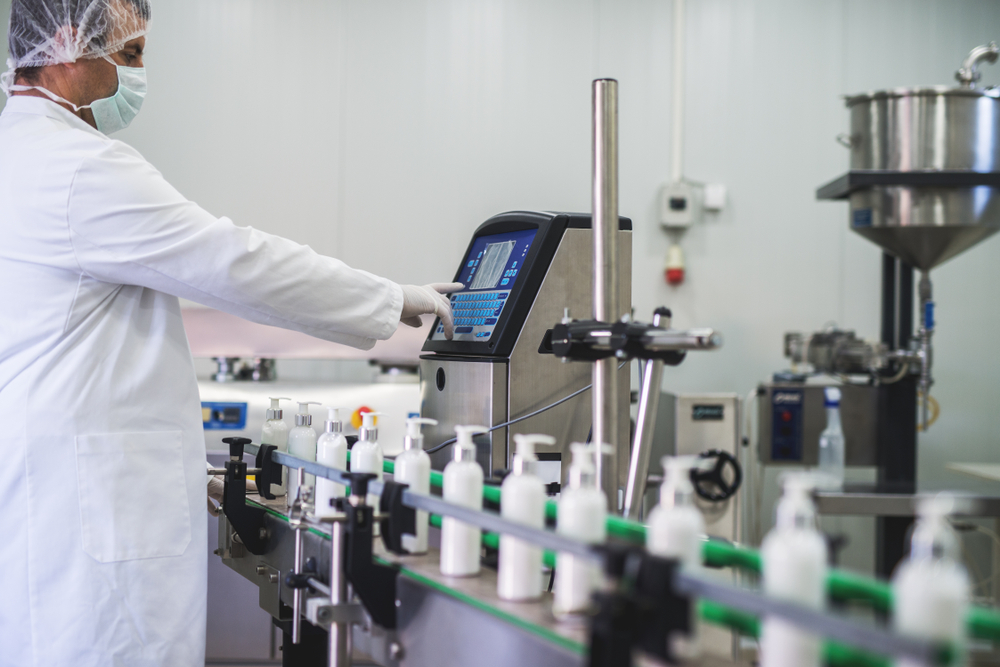
Safety evaluations from both EU and U.S. cosmetic regulatory frameworks confirm that ferulic acid is safe for topical use when formulated correctly.
- No evidence of mutagenicity
- No phototoxicity at cosmetic concentrations
- Low irritation potential
Cosmetic Ingredient Review safety data:
Recommendation:
Sensitive skin users should still perform a patch test, especially with high-strength antioxidant serums.
Frequently Asked Questions (FAQs)
1. What does ferulic acid do on skin daily?
It protects skin from oxidative stress caused by UV light and pollution.
2. Can ferulic acid be used during the day?
Yes. It is especially beneficial in daytime routines under sunscreen.
3. Is ferulic acid suitable for oily or acne-prone skin?
Yes. It is lightweight and non-comedogenic.
4. Can ferulic acid be combined with niacinamide?
Yes, if the formulation is properly balanced for pH.
5. Does ferulic acid replace vitamin C?
No. It enhances and stabilizes vitamin C but does not replace it.
6. How long does it take to see results?
Most users notice brighter, more resilient skin within 4–8 weeks.
Final Verdict: What Does Ferulic Acid Do on Skin?
From a cosmetic ingredient manufacturer’s standpoint, ferulic acid is:
- A powerful antioxidant
- A stabilizer for vitamin C and E
- A support ingredient for brighter, healthier-looking skin
It is not a marketing trend—it is a science-backed active with proven value in modern skincare formulations.