
This article, written from the perspective of a cosmetics ingredient manufacturer, clearly explains the differences between ferulic acid and vitamin C, their mechanisms of action on the skin, and which ingredient users actually need—providing scientific evidence and practical formulation suggestions.
When consumers compare antioxidant skincare ingredients, one question comes up repeatedly:
What is the difference between ferulic acid and vitamin C?
Although both are powerful antioxidants widely used in modern skincare, they are not interchangeable. In fact, from a formulation and skin biology standpoint, ferulic acid and vitamin C play very different roles, and their real strength appears when they are used together, not separately.
This article breaks down the differences clearly—based on skin science, formulation data, and real-world cosmetic manufacturing experience.
What Is Vitamin C in Skincare?
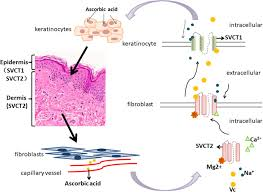
Vitamin C in skincare usually refers to L-ascorbic acid, the biologically active form recognized by skin cells.
Key Functions of Vitamin C
- Stimulates collagen synthesis
- Brightens skin tone
- Reduces visible wrinkles
- Neutralizes free radicals
Vitamin C works inside the skin, signaling fibroblasts to produce more collagen and inhibiting excess melanin formation.
📌 Scientific reference
Clinical studies show that topical vitamin C significantly increases collagen production and improves photoaged skin.
Main Limitation of Vitamin C
From a raw material and formulation perspective, vitamin C is:
- Highly unstable
- Easily oxidized by air, light, and heat
- Effective only at low pH (≈3.0–3.5)
Once oxidized, vitamin C loses efficacy and may even irritate the skin.
What Is Ferulic Acid in Skincare?
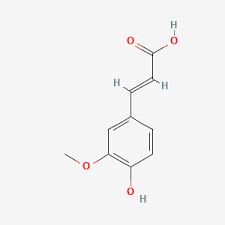
Ferulic acid is a plant-derived phenolic antioxidant commonly sourced from rice bran and other grains.
Key Functions of Ferulic Acid
- Neutralizes free radicals
- Protects skin lipids and cell membranes
- Enhances UV resistance
- Stabilizes other antioxidants
Unlike vitamin C, ferulic acid does not stimulate collagen directly. Instead, it works mainly by preventing damage before it happens.
📌 Scientific reference
Ferulic acid has been shown to significantly reduce UV-induced oxidative stress in skin cells.
The Difference Between Ferulic Acid and Vitamin C: A Clear Comparison
| Aspect | Vitamin C | Ferulic Acid |
|---|---|---|
| Primary role | Collagen stimulation | Antioxidant protection |
| Stability | Low | High |
| pH requirement | Very acidic | More flexible |
| Skin penetration | Deep (active signaling) | Surface & lipid protection |
| Works alone? | Yes, but unstable | Yes, but mainly supportive |
| Best use | Anti-aging & brightening | Protection & stabilization |
👉 In short:
- Vitamin C repairs and rebuilds
- Ferulic acid protects and preserves
Why Ferulic Acid and Vitamin C Work Better Together
From a cosmetic manufacturing perspective, the most important insight is this:
Ferulic acid dramatically improves the stability and performance of vitamin C.
📌 Landmark study (Duke University)
A formulation containing:
- 15% vitamin C
- 1% vitamin E
- 0.5% ferulic acid
Provided up to 8× greater photoprotection than vitamin C alone.
Why This Matters for Skin
- Vitamin C becomes more stable
- Antioxidant protection lasts longer
- Skin receives broader defense against UV and pollution
This is why many dermatologist-recommended serums rely on this combination.
Which One Should You Choose?
From a professional ingredient supplier’s standpoint:
- Choose vitamin C if your main goal is:
- Wrinkle reduction
- Collagen stimulation
- Skin brightening
- Choose ferulic acid if your main goal is:
- Environmental protection
- Preventing premature aging
- Supporting sensitive or post-procedure skin
- Choose both if you want:
- Maximum antioxidant defense
- Long-term skin health
- Proven anti-aging results
Safety and Skin Type Considerations

- Vitamin C may cause tingling at high concentrations
- Ferulic acid is generally low-irritation
- Both are considered safe at cosmetic use levels
Safety data (Cosmetic Ingredient Review):
Tip: Beginners or sensitive skin users often tolerate ferulic acid first, then introduce vitamin C gradually.
FAQs
1. Is ferulic acid better than vitamin C?
No. They serve different purposes and work best together.
2. Can ferulic acid replace vitamin C?
No. Ferulic acid does not stimulate collagen.
3. Can I use both every day?
Yes, especially in morning routines under sunscreen.
4. Which is more stable in skincare products?
Ferulic acid is significantly more stable.
5. Is ferulic acid good for acne-prone skin?
Yes, it is lightweight and non-comedogenic.
6. Do I need vitamin E as well?
Vitamin E further enhances antioxidant synergy but is optional.
The difference between ferulic acid and vitamin C is not about which one is better—but how they complement each other.
From a cosmetic ingredient expert’s view:
- Vitamin C repairs
- Ferulic acid protects
- Together, they deliver clinically proven skin defense and anti-aging results