
In 2026, the global beauty industry continues to evolve rapidly. Regulatory expectations are higher, formulation technologies are more advanced, and brands are far more cautious when selecting a cosmetic ingredients supplier.
Ingredients are no longer treated as interchangeable raw materials. They directly influence:
- Product safety
- Performance consistency
- Regulatory approval
- Brand credibility
As a result, choosing the right supplier has become a strategic decision for global cosmetic brands.
1. Consistent Quality Is the First Requirement
For brands, consistency is non-negotiable.
A reliable cosmetic ingredients supplier must deliver:
- Stable specifications
- Minimal batch variation
- Clear quality standards
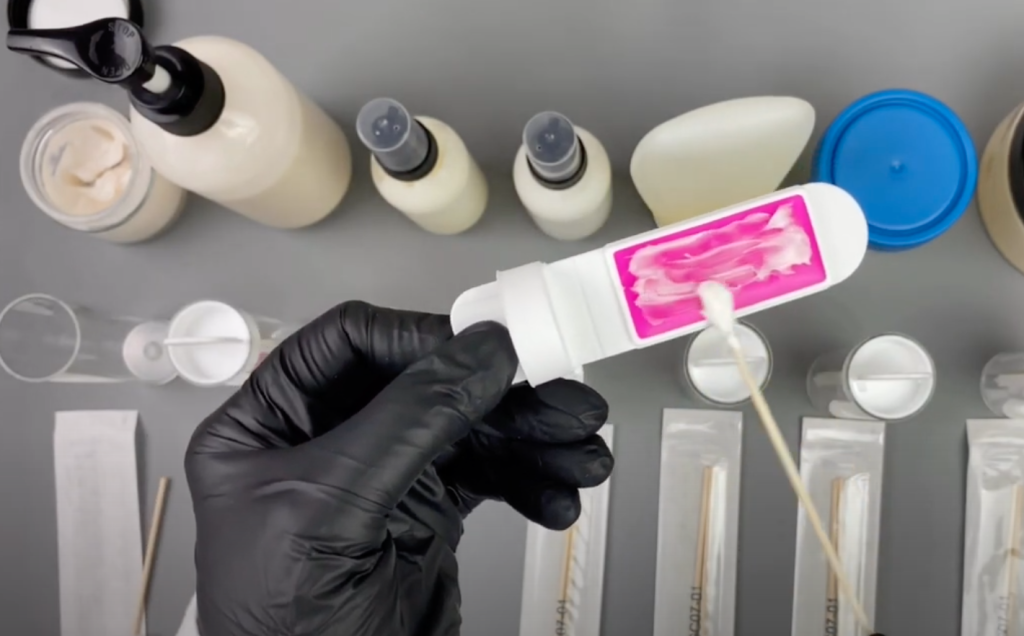
Even small inconsistencies can cause formulation instability or production delays. Suppliers with controlled manufacturing processes and internal quality systems are therefore preferred.
2. Manufacturing Capability and Process Control
Brands increasingly favor suppliers with in-house manufacturing rather than pure trading companies.
Strong manufacturing capability allows suppliers to:
- Control raw material sourcing
- Maintain process stability
- Respond quickly to technical issues
This level of control reduces risk and improves long-term supply reliability.

3. Technical Support Beyond Product Supply
In 2026, a cosmetic ingredients supplier is expected to offer more than just materials.
Professional suppliers usually support customers with:
- Application recommendations
- Formulation compatibility guidance
- Stability and usage advice
This technical communication helps brands shorten development time and improve product performance.
4. Regulatory Awareness and Documentation Support
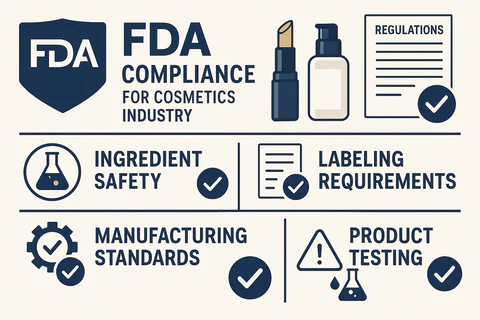
Global brands operate across multiple markets, each with different regulatory requirements.
Suppliers play an important role by providing:
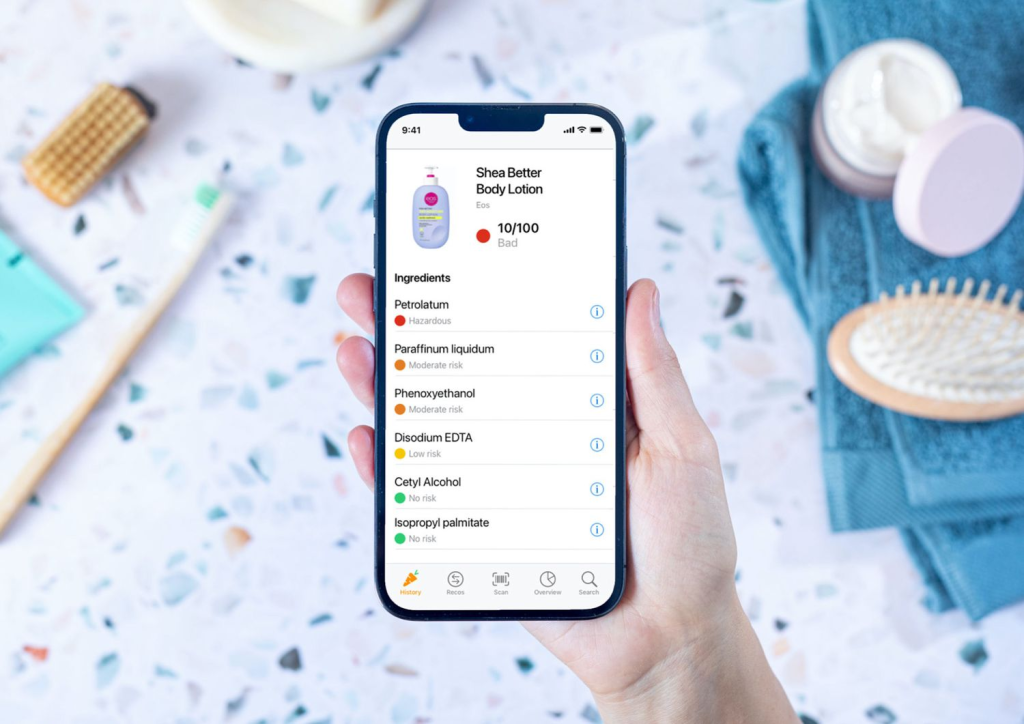
- Accurate ingredient documentation
- Safety and compliance information
- Clear usage guidelines
A supplier who understands regulatory expectations helps brands reduce risk and avoid costly delays.
5. Transparency and Traceability
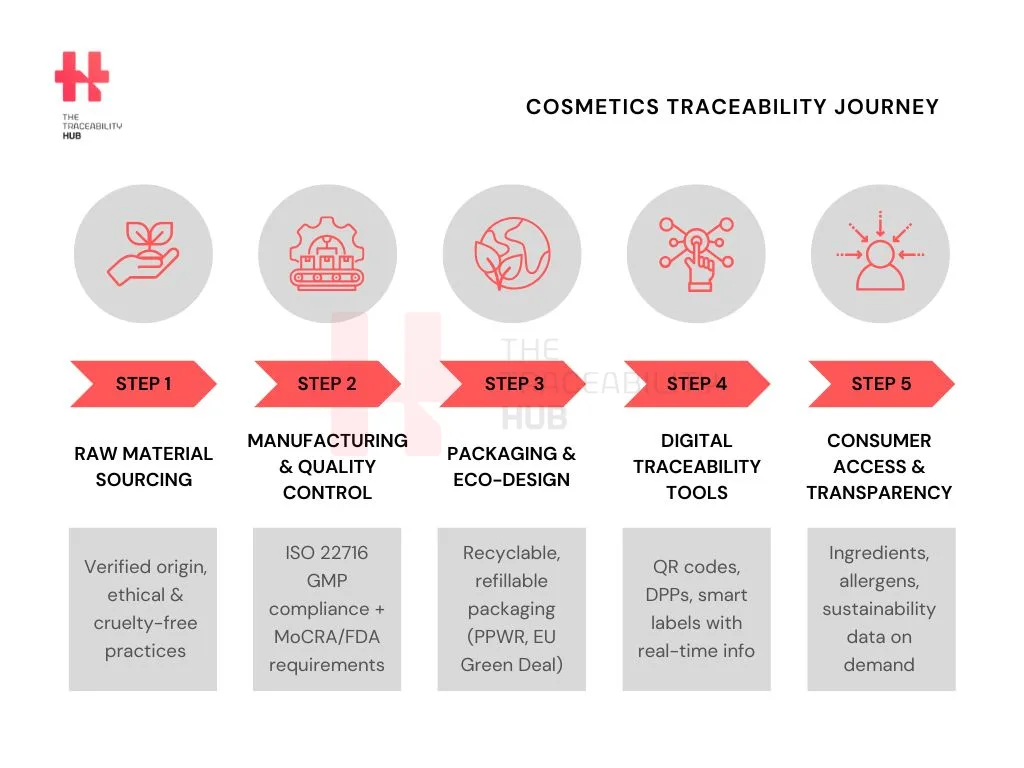
Transparency has become a key factor in supplier evaluation.
Brands want to know:
- Ingredient origin
- Production process
- Traceability and consistency
Suppliers who communicate openly and clearly are more likely to build long-term partnerships rather than short-term transactions.
6. Adapting to Market Trends Without Compromising Stability
Trends such as natural, bio-based, and sustainable ingredients continue to influence the market.
However, experienced brands understand that performance and safety must come first.
A reliable cosmetic ingredients supplier balances:
- Market demand
- Functional performance
- Long-term stability
This practical approach is essential in professional product development.
FAQ: Cosmetic Ingredients Supplier
Q1: What defines a reliable cosmetic ingredients supplier in 2026?
Consistency, manufacturing control, technical expertise, and transparent communication.
Q2: Why do brands prefer direct manufacturers?
Direct manufacturers offer better quality control and faster technical response.
Q3: How important is documentation support?
It is essential for compliance, product registration, and risk management.
Q4: Can suppliers assist with formulation issues?
Yes. Professional suppliers often provide application and compatibility guidance.
Q5: Is price the most important factor?
No. Reliability and long-term stability are more important for serious brands.
Q6: What builds long-term supplier relationships?
Trust, consistency, and effective technical communication.