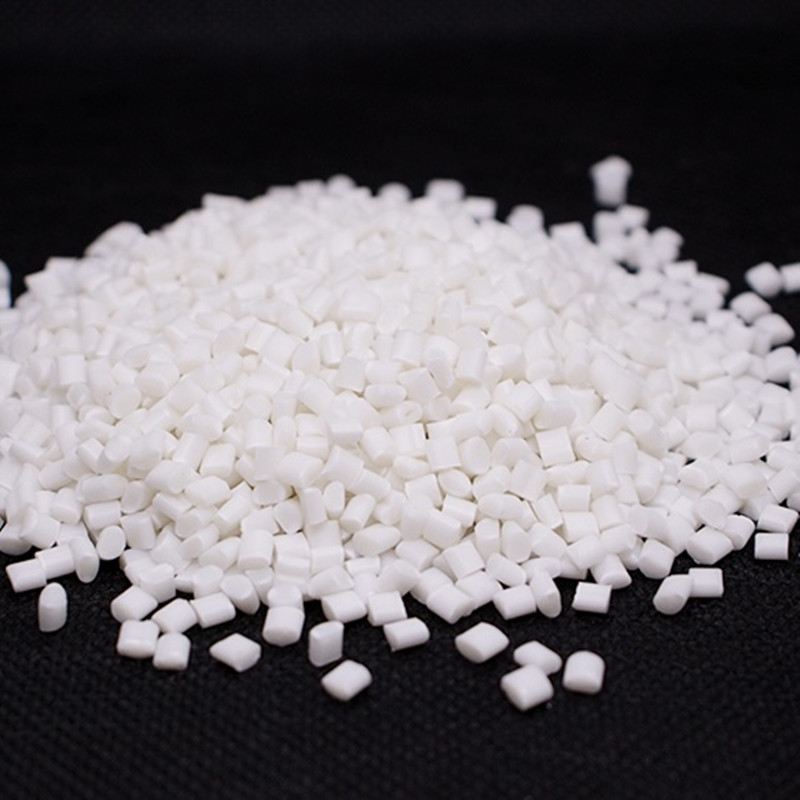
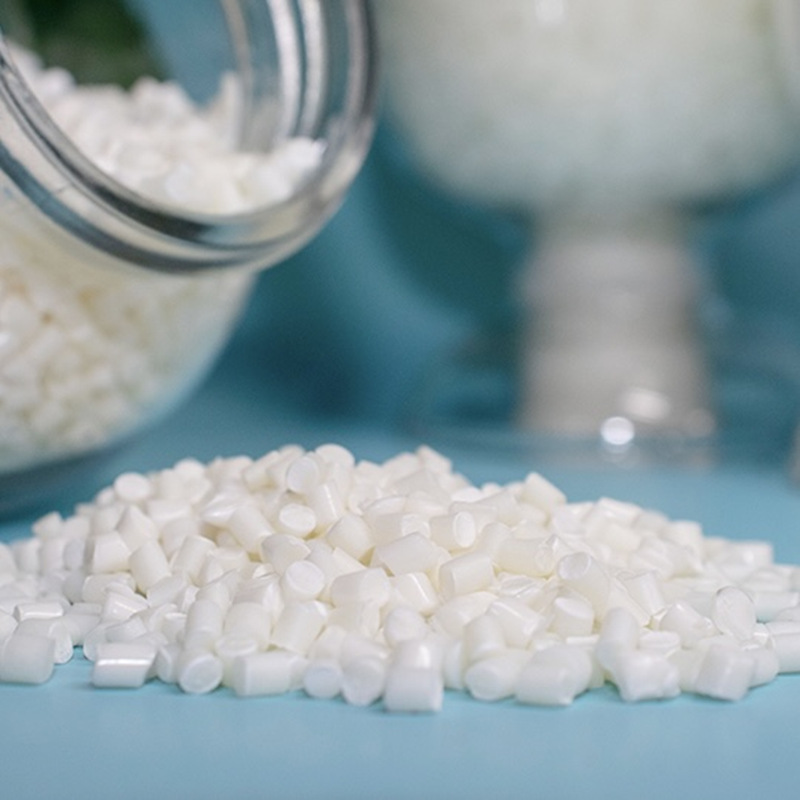
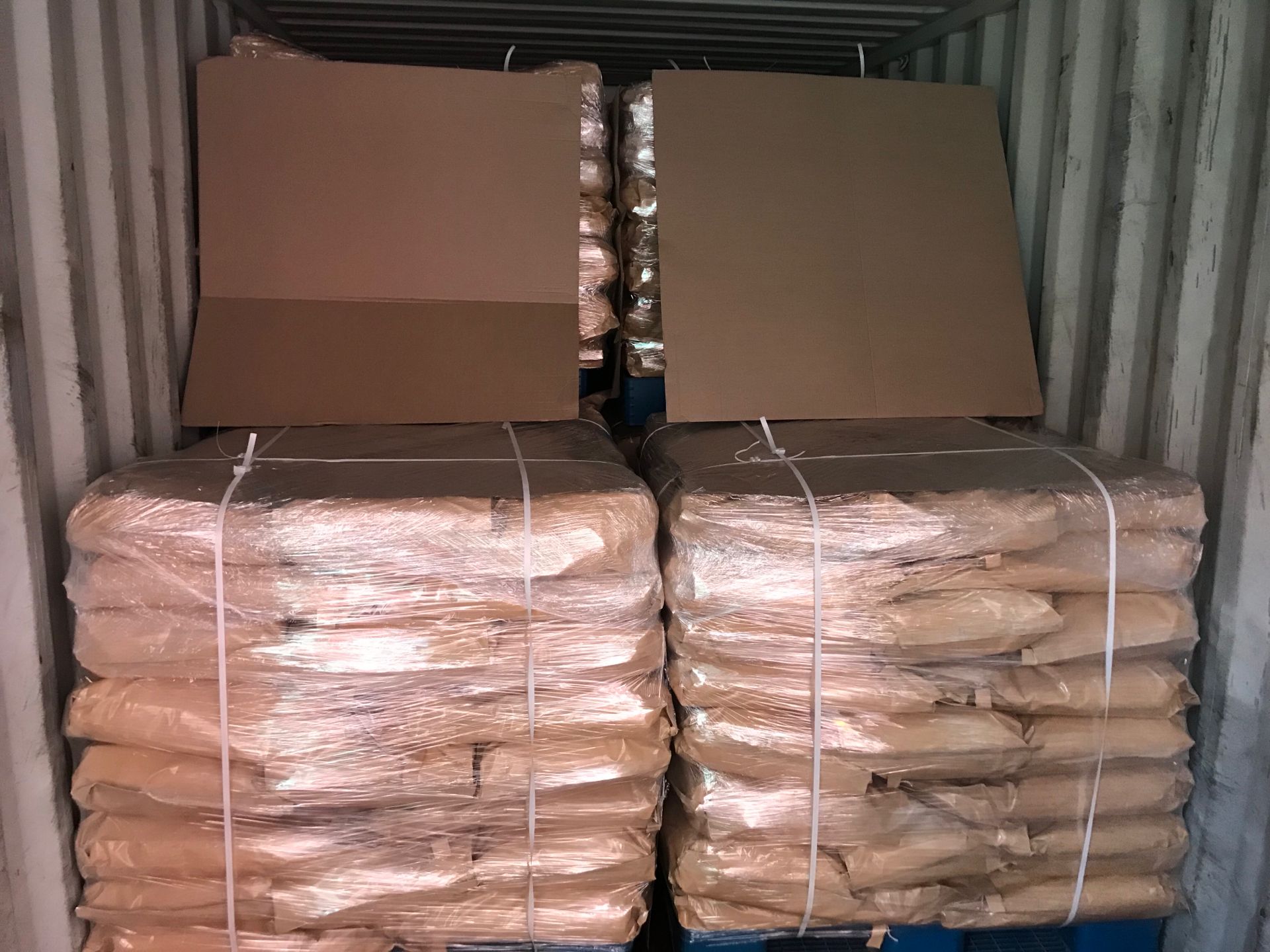

Polylactic Acid (PLA) sourcing overview
Derreva lists Polylactic Acid (PLA) under CAS 26100-51-6 for specification-led B2B sourcing and quotation review. The catalog identifier is a screening reference; approval should rely on the exact offered identity, current specification, batch documentation and buyer acceptance criteria.
Procurement context: A polymeric or macromolecular material is normally grade-specific. Molecular or viscosity range, substitution or functionalization, physical form, residual profile and measurement conditions must be stated.
Product identity and catalog reference
| Product name | Polylactic Acid (PLA) |
|---|---|
| CAS No. | 26100-51-6 |
| Procurement family | Polymer, gum or functional macromaterial |
| Verification status | Confirm every catalog value against the current offered specification, SDS and batch documentation. |
Identity details to preserve
- Exact catalog name: Use “Polylactic Acid (PLA)” as the initial requested name and resolve any supplier synonym to the same documented identity.
- CAS screening reference: The catalog associates 26100-51-6 with this listing. Verify the number on the offered specification, SDS and COA before approval.
- Written alias or qualifier: Keep the parenthetical text “PLA” in the enquiry until current supplier documentation confirms its exact role.
- Written form or source terms: The name explicitly includes Acid. Preserve these terms and ask the supplier to define their analytical or compositional basis.
How to specify Polylactic Acid (PLA)
Use numerical acceptance limits and named test methods wherever they matter. The following fields help turn a name-only enquiry into a comparable specification brief.
- Polymer identity: Confirm polymer type, grade, substitution, functional group or crosslinking description where relevant.
- Molecular performance: Define molecular-weight range, viscosity or rheology target and the exact concentration, temperature and test method.
- Physical form: State powder, granule, dispersion or solution form, particle-size or hydration and dispersion requirements.
- Residual profile: Set relevant monomer, solvent, catalyst, ash, moisture, microbiological or contaminant limits.
- Commercial scope: Provide required grade, quantity, packaging, storage, destination and technical-document needs.
Documents and sample review
For a proposed Polylactic Acid (PLA) option, request the current product specification and a representative or recent certificate of analysis. Ask which supporting files are applicable and available, such as an SDS, TDS, origin statement, allergen or GMO statement, residual-solvent data, contaminant testing and destination-market compliance documents.
Evaluate documentation and a representative sample against the buyer’s own analytical, formulation, processing, stability, safety and regulatory criteria before bulk approval. Document and sample availability is confirmed for each enquiry.
Comparing Polylactic Acid (PLA) quotations
Can polymer grades be compared by name alone?
No. Molecular range, substitution, crosslinking, viscosity test conditions, physical form and residual limits can define distinct grades under the same family name.
Is CAS 26100-51-6 enough to approve the material?
No. A CAS number helps screen identity, but it does not define commercial grade, concentration, physical form, impurity limits, test methods, packaging or regulatory support. Compare those fields on the offered specification and COA.
Request a quotation for Polylactic Acid (PLA)
Send the exact product name “Polylactic Acid (PLA)”, CAS 26100-51-6, required grade and acceptance limits, intended professional use, sample and forecast quantity, pack size, destination country, target date, Incoterm if known and required document list. Derreva can then review the enquiry against current supply information and coordinate the appropriate next step.
Professional-use note: This page supports B2B sourcing research and is not medical, formulation, safety or regulatory advice. The buyer is responsible for confirming identity, permitted use, handling, labeling, import requirements and compliance in each destination market.
Details
| CAS No. | 26100-51-6 |
|---|